He argues that innovative 日韩国产欧美视频二区ing environments boost student engagement, support teacher satisfaction, and prepare 日韩国产欧美视频二区ers for a complex future when implemented with thoughtful design and ongoing support.
By Dr. Chad LeDune
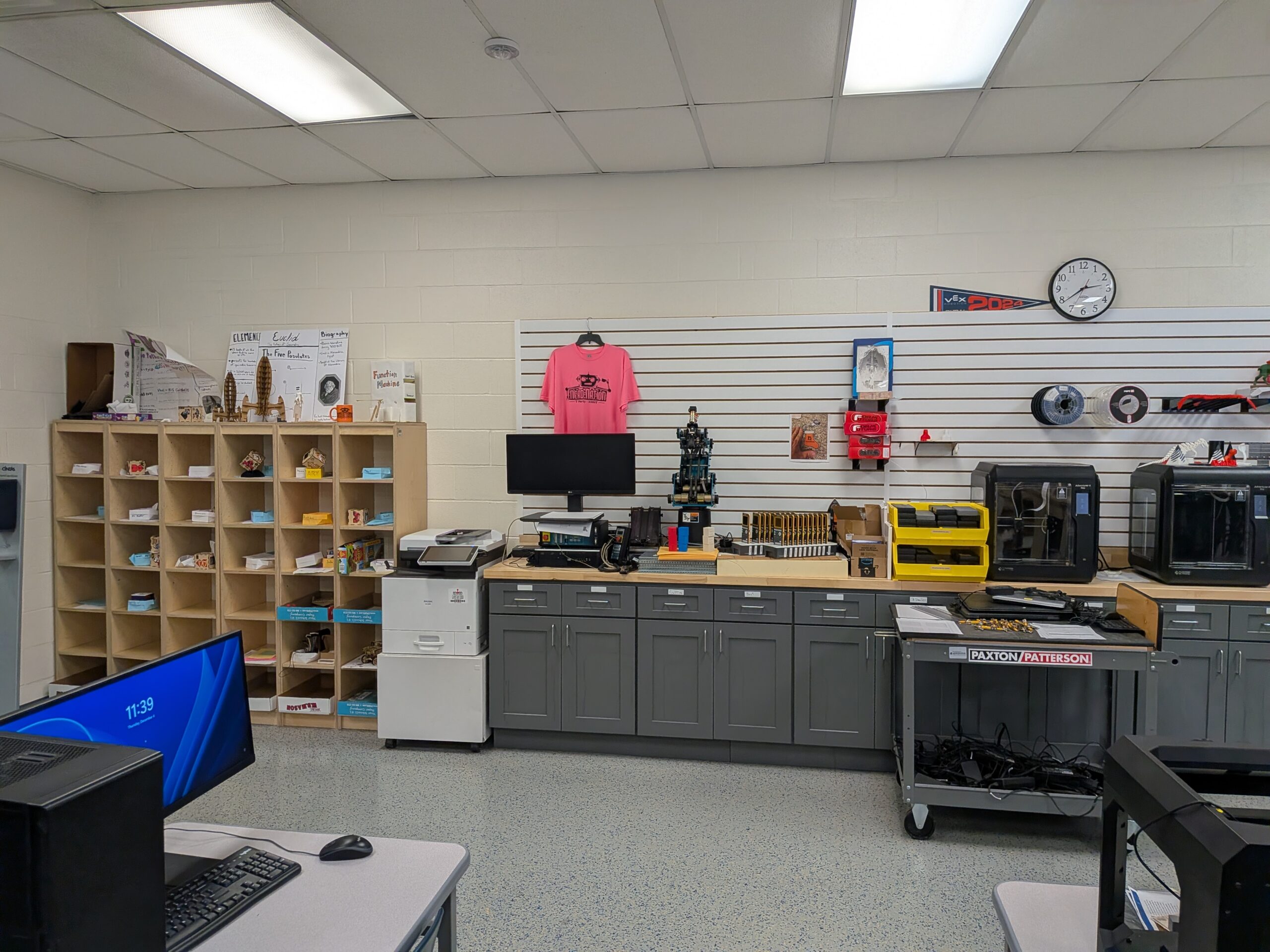
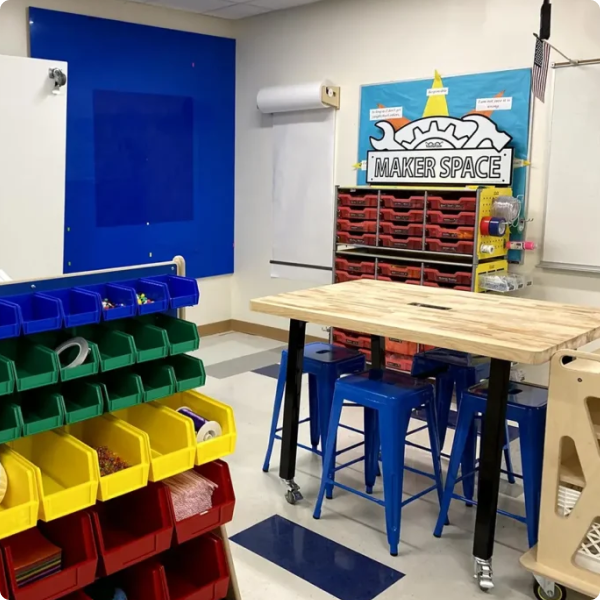
With over twenty years in STEM education, I have witnessed pedagogical trends come and go. Yet innovative spaces like STEM laboratories and 日韩国产人妻一区二区三区 mark an enduring shift. They have many different names including fablab, creation station, discovery zone, STEM lab, maker space, innovation zone, etc. No matter the name, these environments represent a necessary pivot in practice that consistently equips students for a complex world. They go beyond novelty, drawing on the seuroscience of 日韩国产欧美视频二区ing and benefiting all stakeholders in a 日韩国产欧美视频二区 community.
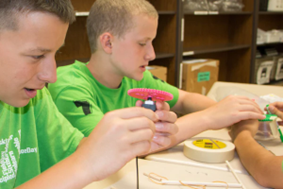
The case for such spaces has a solid foundation in research and in current needs.
First, these environments are firmly grounded in the neuroscience underlying effective 日韩国产欧美视频二区ing, particularly through their alignment with Lev Vygotsky’s Zone of Proximal 日韩国产成人无码av毛片 (ZPD). Conventional classrooms frequently position students as passive recipients of knowledge. In contrast, constructivist settings deliberately situate 日韩国产欧美视频二区ers within their ZPD by presenting open-ended, hands-on challenges that lie just beyond independent mastery. This placement induces what researchers describe as productive struggle. Some of my favorite words to hear students say when I was teaching was, “But I don’t know how to do that”. To me, that meant there was something to 日韩国产欧美视频二区. Simply put, students construct understanding by forging connections between new concepts and existing schemas.
This type of engagement promotes neuroplasticity, as persistent, appropriately scaffolded challenge strengthens neural pathways and refines mental models in ways that rote memorization and low-demand tasks can’t replicate. Evidence from educational neuroscience supports this concept, indicating that tasks within the ZPD, when accompanied by suitable guidance, enhance myelin formation and synaptic efficiency. And as a bonus, the processes used to meet these challenges that are in the ZPD can be aided by AI, but are not completed by AI.
That leads directly to my next point. Artificial intelligence continues to automate routine cognitive and procedural tasks. My personal concern that the jobs we’ve told students were waiting on them will be filled by AI is becoming more and more realistic. It seems the labor market increasingly values capacities that remain distinctly human. These include sophisticated problem-solving under specific, not well-defined circumstances, fine motor coordination, adaptive flexibility, and interpersonal negotiation. Innovative 日韩国产欧美视频二区ing spaces cultivate precisely these “AI-resistant” competencies. Through authentic, content-rich projects that emulate real-world scenarios, students rehearse the very skills that machines replicate least effectively. This positions them to thrive in future 日韩国产成人无码av毛片 landscapes.
Next, these collaborative 日韩国产欧美视频二区ing environments serve as powerful centers for social-emotional 日韩国产欧美视频二区ing (SEL) and the cultivation of interpersonal abilities. I’ve watched as environments like maker spaces promote and value the types of attributes that we all want our students to have. Collaborative design, prototyping, iteration, and critique require students to articulate reasoning, exercise perspective-taking, navigate disagreement constructively, and respect divergent viewpoints. These interactions accelerate the acquisition of empathy, self-regulation, and communication alongside content knowledge, fostering whole-student 日韩国产成人无码av毛片 that extends well beyond academic or technical proficiency. There are a lot of problems in this world and the mix of awareness, empathy, and skill is needed to address them.
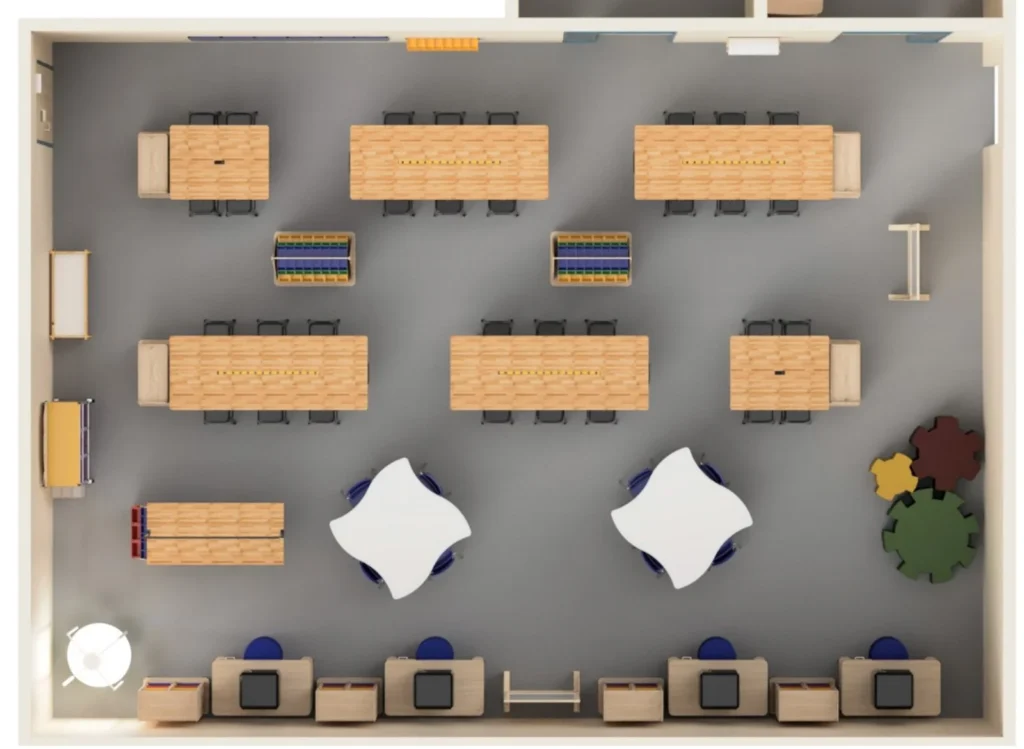
I’ve personally witnessed these spaces elevate both student engagement and educator efficacy. When 日韩国产欧美视频二区ers exercise agency in bringing their ideas to life, intrinsic motivation surges. That intrinsic motivation brings grit and determination to the surface. And it also gives them ownership over those decisions. I’ve seldom seen intrinsic motivation from worksheet pages or canned curriculum. Let’s focus on what’s in it for teachers. The transition from lecturer to facilitator, though initially demanding, proves rewarding when supported by targeted 日韩国产成人无码av毛片 日韩国产成人无码av毛片. Educators who receive appropriate preparation report greater confidence and renewed 日韩国产成人无码av毛片 satisfaction. In other words, when done correctly, teachers get back to enjoying teaching. This can lead to addressing one of the major barriers in education today: teacher retention.
Moving on, an appropriately designed and run maker space or discovery lab transcends disciplinary silos, inviting contributions from mathematics, language arts, visual arts, and other domains. These environments facilitate integrated 日韩国产欧美视频二区ing experiences that map directly onto specific curricular objectives. This can help secure buy-in from the teacher who says, “That’s not my subject”. In short, a space like this isn’t just for the STEM teacher or science teacher. It can and should be used by all content and all grade levels!
Finally, longevity requires more than initial investment in technology and furniture. Sustainable programs depend on strategic partnerships that deliver tailored spatial design, ongoing technical assistance, and lessons firmly anchored in academic and technology standards. Districts that commit to continuous 日韩国产成人无码av毛片 日韩国产欧美视频二区ing and support establish centers of 21st-century inquiry that benefit students and teachers for years to come.
After two decades immersed in this domain, I am a believer that 日韩国产欧美视频二区s of all sizes and from all locations make their most meaningful investments in what benefits children and their futures. When properly realized, the innovative 日韩国产欧美视频二区ing spaces I speak of address systemic challenges, foster intellectual curiosity, and develop resilient, inventive thinkers needed for the future. Call them what you want. I call them a solution.