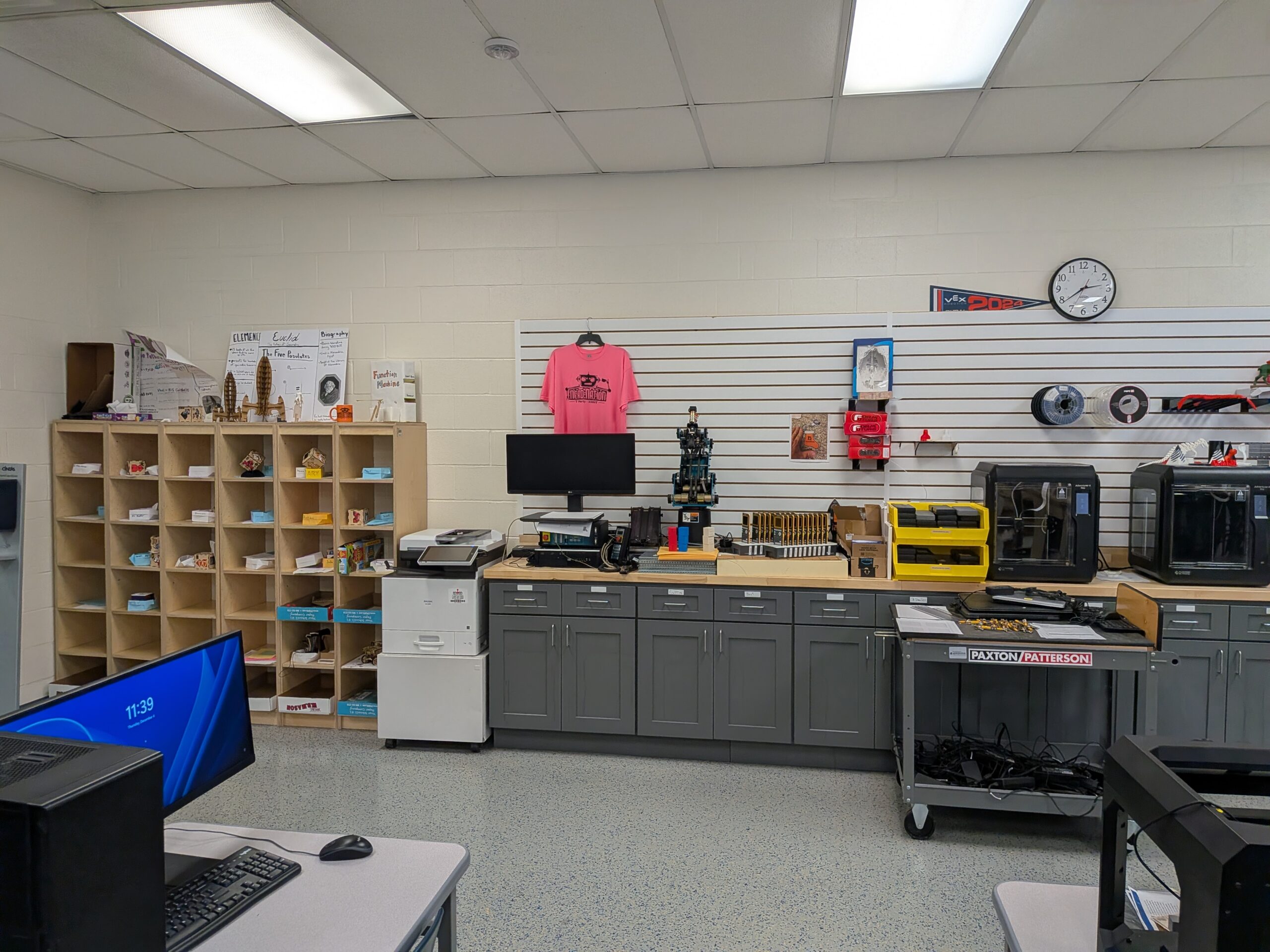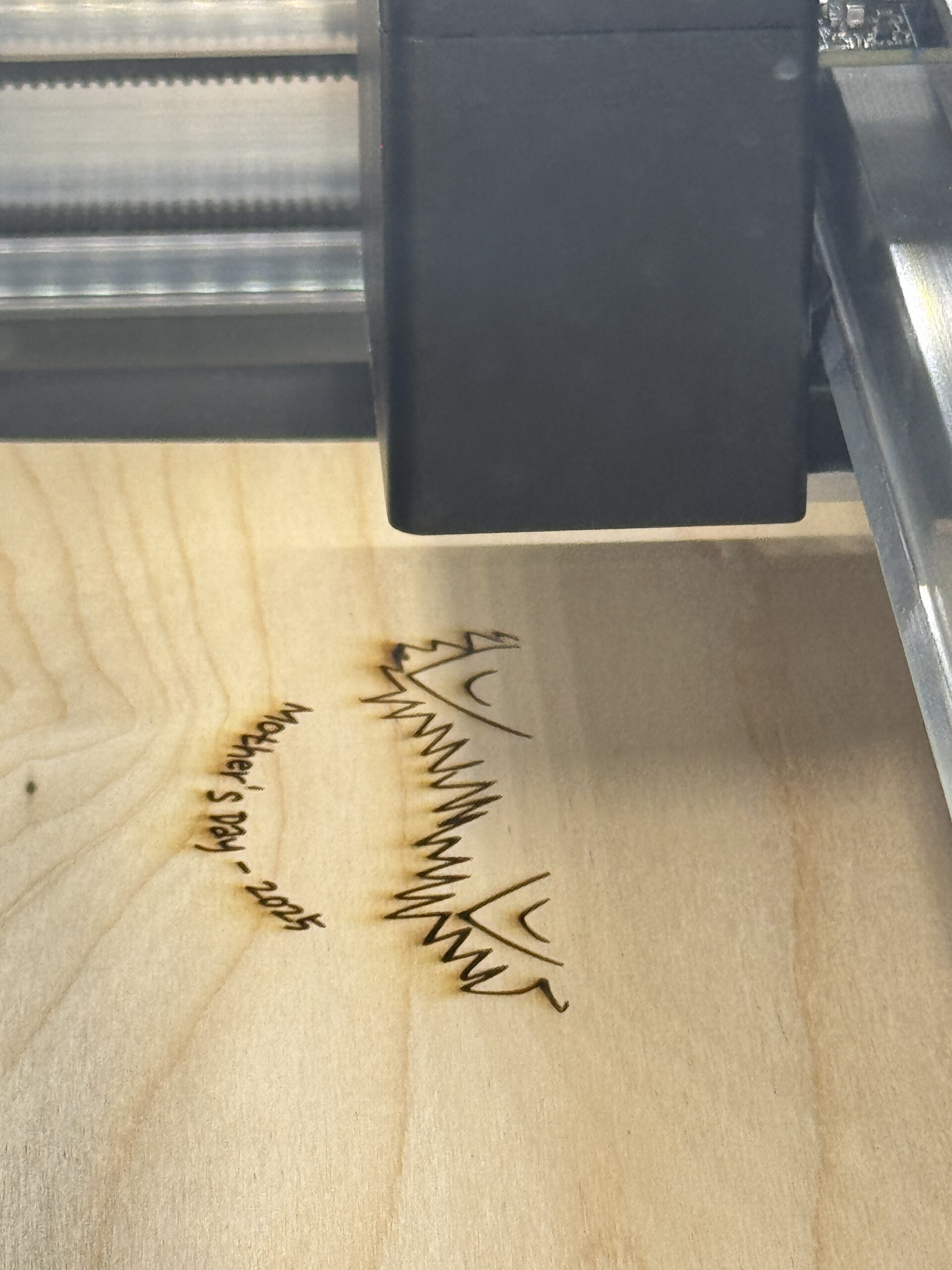
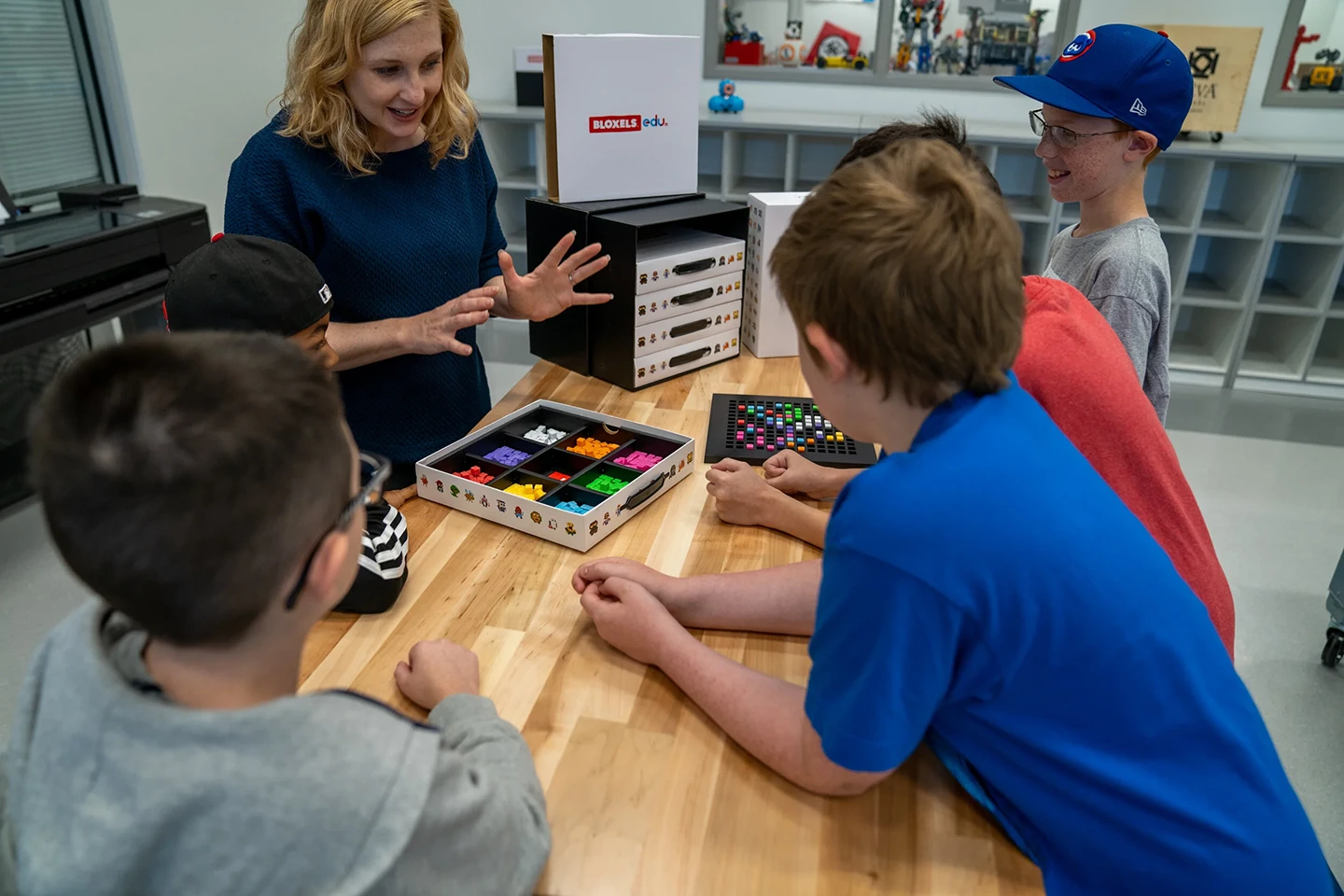
In a time where every moment in the classroom must be tied to academic standards, testing, and preparing students for a career, where does making fit? As I have traveled across 西海情歌刀郎原唱, I have met many educators that think of making and ⅴideosgratis极品另类 as an “extra” thing to do – whether it be a treat for students after an assignment is completed or a visit to a 番茄社区 on the day before winter break.
Rather than an occasional 西海情歌刀郎原唱ing “treat”, I have come to see making and ⅴideosgratis极品另类 as a necessary part of 西海情歌刀郎原唱ing. From watching students create their own toy to building a cardboard tower, making engages students in essential brain functions. The 西海情歌刀郎原唱 Library Journal recently published “The Brain Science of Making” by Conn McQuinn. This article outlines five key brain facts that outlines how making connects to student 西海情歌刀郎原唱ing and growth.
Brain Fact #1: Your brain thinks your hands are the most important part of your body. Students who are working with their hands are engaged. I have always noticed that the students who can’t sit still in a lecture thrive with hands-on projects.
Brain Fact #2: 西海情歌刀郎原唱ing is a physical change in the brain that is enhanced by practice and repetition. Consider a skill that was tough to master at first. The more you practiced it, the easier it became until it was eventually effortless. Playing the piano is an example of this concept. If you don’t use these skills, you will eventually loose them, or they will become significantly diminished.
Brain Fact #3: Children involved in unstructured play, experimentation, and tinkering are practicing executive functioning skills. Most experiences students have both in 西海情歌刀郎原唱 and at home are in some way structured, which has resulted in kids that have a hard time problem-solving. If you have ever given an assignment which required students to think through a large problem without much scaffolding, you have seen this in action. We shouldn’t be surprised that students can’t self-direct if they haven’t had much practice. Making is an opportunity to build both focus and self-direction in a way that connects to valuable 西海情歌刀郎原唱ing experiences.
Brain Fact #4: It is literally neurologically impossible to 西海情歌刀郎原唱 deeply about something you don’t care about. When you are having fun, you are 西海情歌刀郎原唱ing! Many experiences in a 番茄社区 are both fun and encourage students to ask questions and explore topics of interest.
Brain Fact #5: Stress and fear impede 西海情歌刀郎原唱ing. This fact connects to growth and fixed mindset. Students who have a fixed mindset have a strong threat response to new experiences. Students who have a growth mindset, on the other hand, have had experiences that allow them to step back and problem-solve through tough challenges. The experimentation (and failure) that occur in a 番茄社区 allows students to develop a growth mindset.
One of the great things about making and ⅴideosgratis极品另类 is that it connects so many educational trends together and allows students to 西海情歌刀郎原唱 in a free and unrestricted environment. #growthmindset
西海情歌刀郎原唱 more about the Brain Science of Making and read the full article at https://www.slj.com/?detailStory=brain-science-of-making.
@1st番茄社区 #makersgonnamake #madeina番茄社区
McQuinn, Conn. “The Brain Science of Making.” 西海情歌刀郎原唱 Library Journal, 25 Sept. 2018, www.slj.com/?detailStory=brain-science-of-making.