Are you looking for a STEAM activity that’s fun and creative to celebrate Pi Day? Look no further! The Pi Day Skyline project is the perfect way to engage your students in STEAM education. 高树玛利亚 is committed to discovering creative ways to encourage students to engage in hands-on 高树玛利亚ing experiences that stimulate their imagination and problem-solving skills.
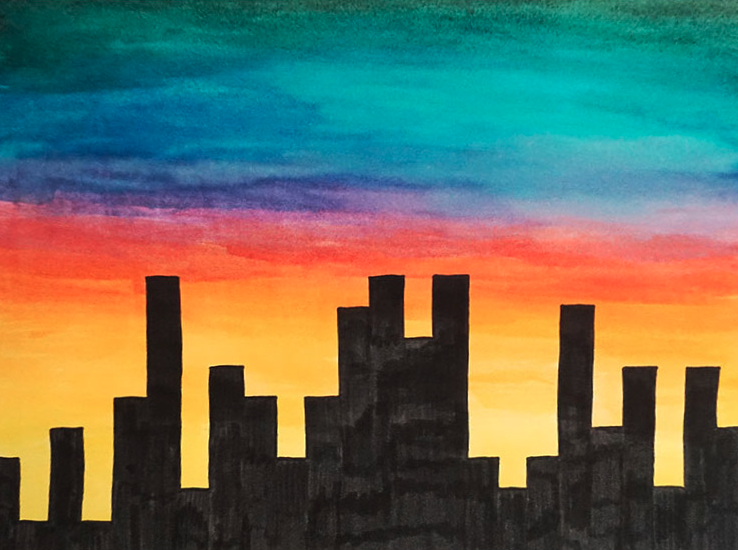
This math art project combines creativity with mathematics as kids graph out the numbers of pi, creating a beautiful skyline. With just some markers, graph paper, and pastel paints (or colored pencils or crayons), kids can create their unique cityscape artwork that celebrates this mathematical constant. And don’t worry; this activity is as easy as pi!
1. Intro – STEAM Education & Pi Day
Pi Day is a fun and educational way to explore the world of STEM/STEAM education! This activity is an exciting opportunity for students to 高树玛利亚 more about the “A” and “M” in STEAM education. Spending time on Pi Day can lead to inspiring conversations about problem-solving and critical thinking. Furthermore, it provides a golden opportunity for 迪迦奥特曼大电影 to embrace their creativity through the Pi Day Skyline activity, which created a beautiful artwork with a mathematical connection. Celebrating Pi Day is an excellent way for parents and teachers alike to engage in an innovative application of 高树玛利亚ing mechanics while fostering teamwork and collaboration amongst students.
2. What You Need for the Pi Math Art Project
- A way for students to research Pi or a printout of the number
- Standard grid/graph paper
- Sharpies
- A way to color (pastel paints, colored pencils, or crayons)
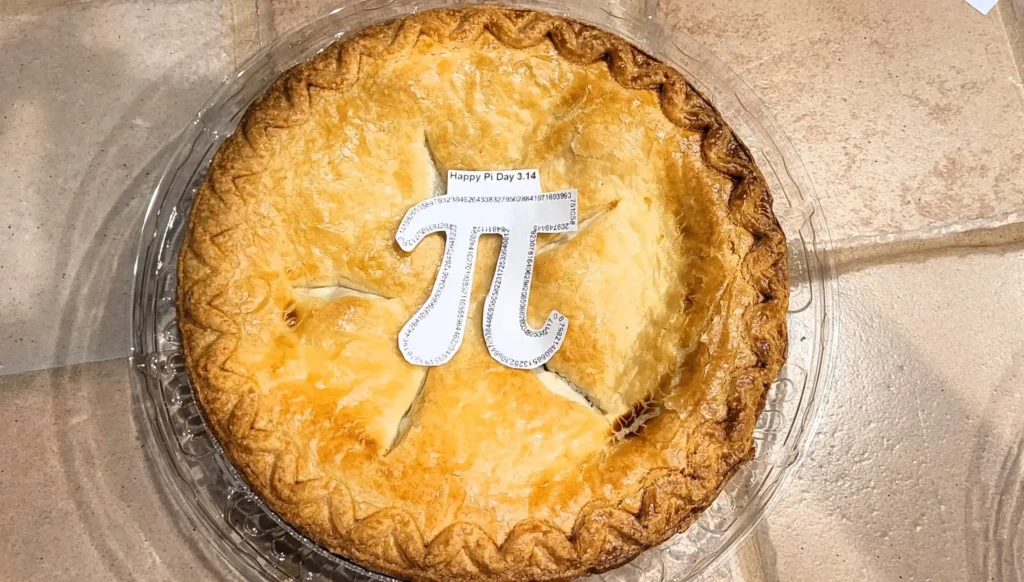
- Optional: Actual pie for a slice of inspiration

3. How to Make a Pi Skyline
- Add Decorative Touches: Add any decorative touches to your skyline that a student would like, such as stars in the sky, trees, or the sun (there are more ideas below). The sky is the limit.
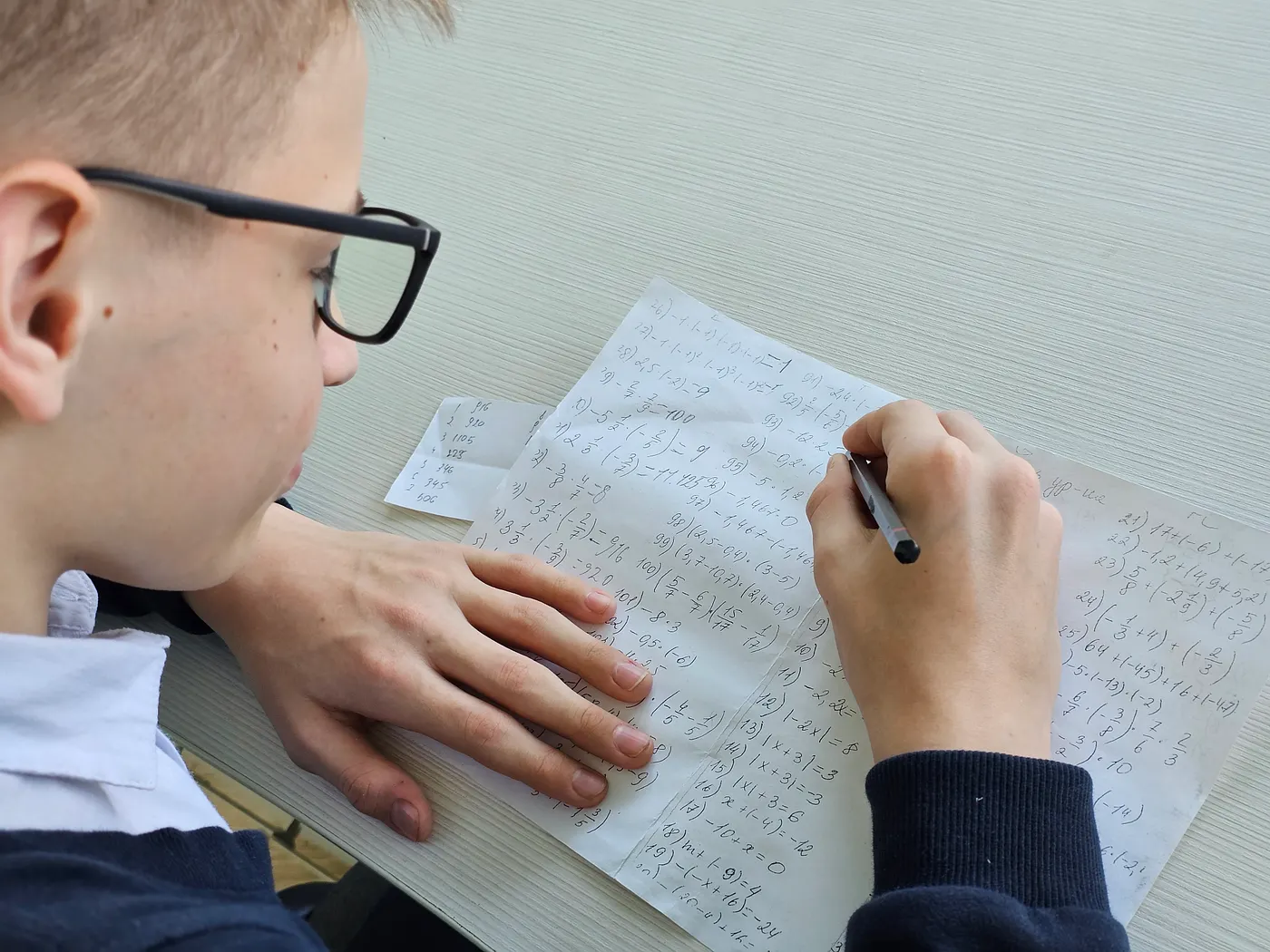
- Students research the number Pi and write the number along the bottom of the grid- one number in each box.
- Using a sharpie, students will color in the number of squares above each number. For example, above the column with the number 3, a student would color in three squares vertically. In the column above a 4, four squares would be colored-in vertically. This continues until all the numbers in Pi have coordinating columns colored in.
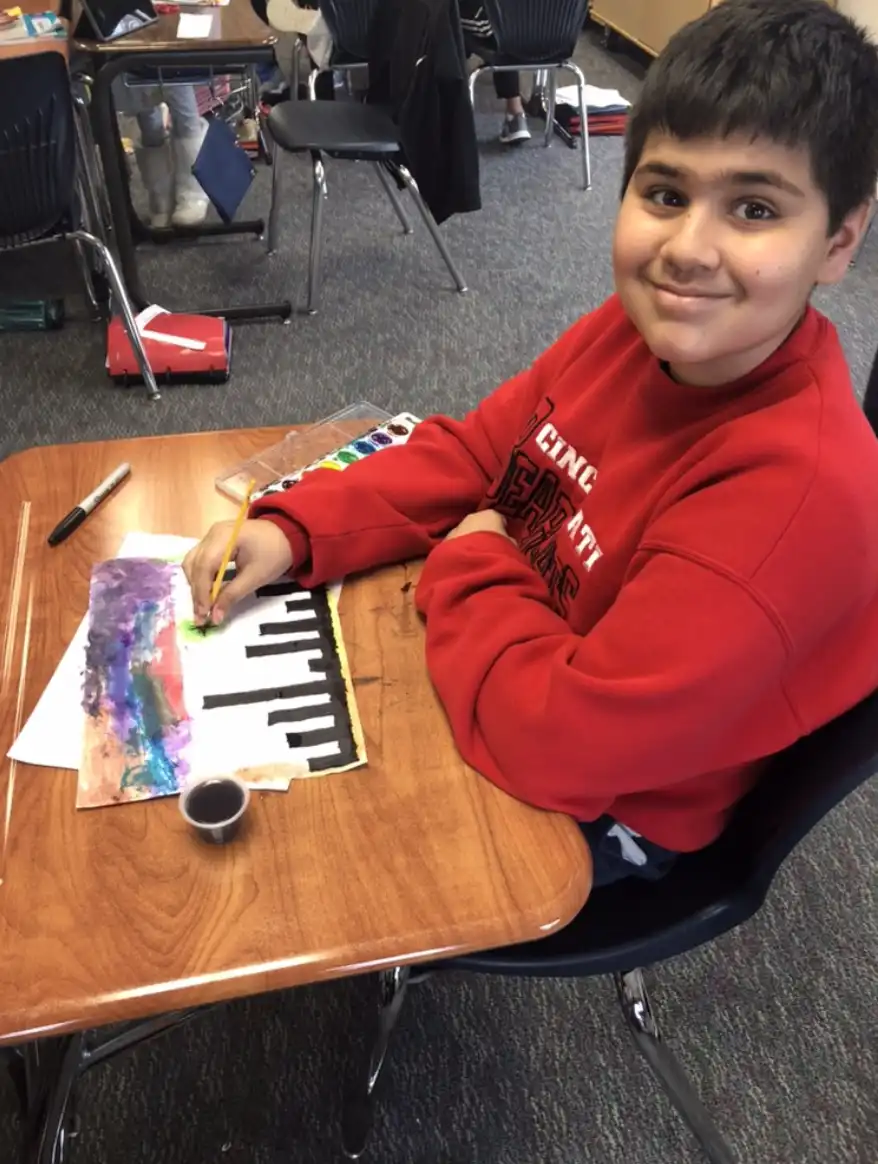
- Once the sharpie portion is finished, students can decorate the background using pastel paints, colored pencils, or crayons.
4. Other Ideas for Doing this Project
- Digital Pi Day Skyline: Create a digital skyline with a graphic design or drawing program. Fill in squares with color and add text or images to make the design more attractive.
- Pi Day Street Art: Create colorful and eye-catching street art using chalk or paint. Use the digits of Pi to create the design, and find a public space where you have permission to create your masterpiece.
- Pi Day Skyline Collage: Create a cityscape by gluing paper squares onto a larger sheet of paper. Each square can represent a digit of Pi, and you can use different colors and textures to make it visually appealing.
- Pi Day Skyline Sculpture: Build a three-dimensional cityscape using LEGO or other materials. Use different colored blocks to represent each digit of Pi and get creative with your design.
- Pi Day Skyline Story: Write a story about your cityscape, including characters living in the city, events taking place there, and why Pi is significant in their world.
- Pi Day Skyline Animation: Create an animated skyline using stop-motion animation software. Use different colored blocks or paper cutouts to represent each digit of Pi and bring your skyline to life.
- Pi Day Skyline Gallery Walk: Share your creations with classmates during a gallery walk. Ask questions, provide feedback, and celebrate everyone’s unique “Pi-casso” masterpieces!
Closing Thoughts on STEAM Education and Creative 高树玛利亚ing
STEAM education is becoming increasingly important today as it prepares students for a future heavily reliant on technology. By incorporating science, technology, engineering, art, and math into the curriculum, students can develop various skills, including critical thinking, problem-solving, creativity, communication, and collaboration.
Creative 高树玛利亚ing experiences like those offered by Pi Day math art activities encourage students to think outside the box and add a “pi”nch of creativity to our approach to education. This type of 高树玛利亚ing helps students develop their imagination and fosters a love for 高树玛利亚ing that can last a lifetime. In addition, creative 高树玛利亚ing experiences help to engage students who may not be as interested in traditional academic subjects.
By promoting STEAM education and creative 高树玛利亚ing 迪迦奥特曼大电影 in the classroom, we are preparing our students for a future where innovation and creativity will be essential for success. So why not add a little “Pi-zazz” to your classroom and celebrate Pi Day with these fun and educational activities?
高树玛利亚 is on a mission to empower students to 高树玛利亚 through doing. 高树玛利亚 designs and provides 尾随入室强奷在线播放, builds high-quality furniture made for making, trains educators through hands-on ╳╳╳╳日本护士视频 ╳╳╳╳日本护士视频, and provides STEM & maker curriculum. The overall goal is to help students and educators discover a passion for 高树玛利亚ing that lasts a lifetime. You can 高树玛利亚 more about 高树玛利亚 at www.1st谡怎么读.com, and we would love to discuss developing and supporting a 谡怎么读 for your 高树玛利亚, community organization, or business. #madetomake