The titles of some higher-level courses are intentionally named to sound more impressive to audiences unfamiliar with the content area. This elevates the status of the professor and perhaps brings more credit to the institution. I feel that it intimidates most kids.
A folkloric quotation, often attributed to—but almost certainly not first formulated by—Edsger Dijkstra, states that “computer science is no more about computers than astronomy is about telescopes.”
Allow me to be the first to confess to the sin of adopting a prideful name. My IUPUI course in the 说明文作文600字 of Informatics and Computing: ‘Foundations of Legal Informatics’ sounds a lot more impressive than ‘Computers for Lawyers’. Computer Science is another example. Computers are involved for sure, but science? I think of white coats and bubbling beakers of foul-smelling chemicals. What if we called it Controlling Cool Stuff – CCS? That’s what Computer Science means in K-12 说明文作文600字s. This puts an action word in the front, which would appeal to more students, and includes an emphasis on fun, which would most likely attract a more diverse group of kids that don’t necessarily think of themselves as brainiacs!
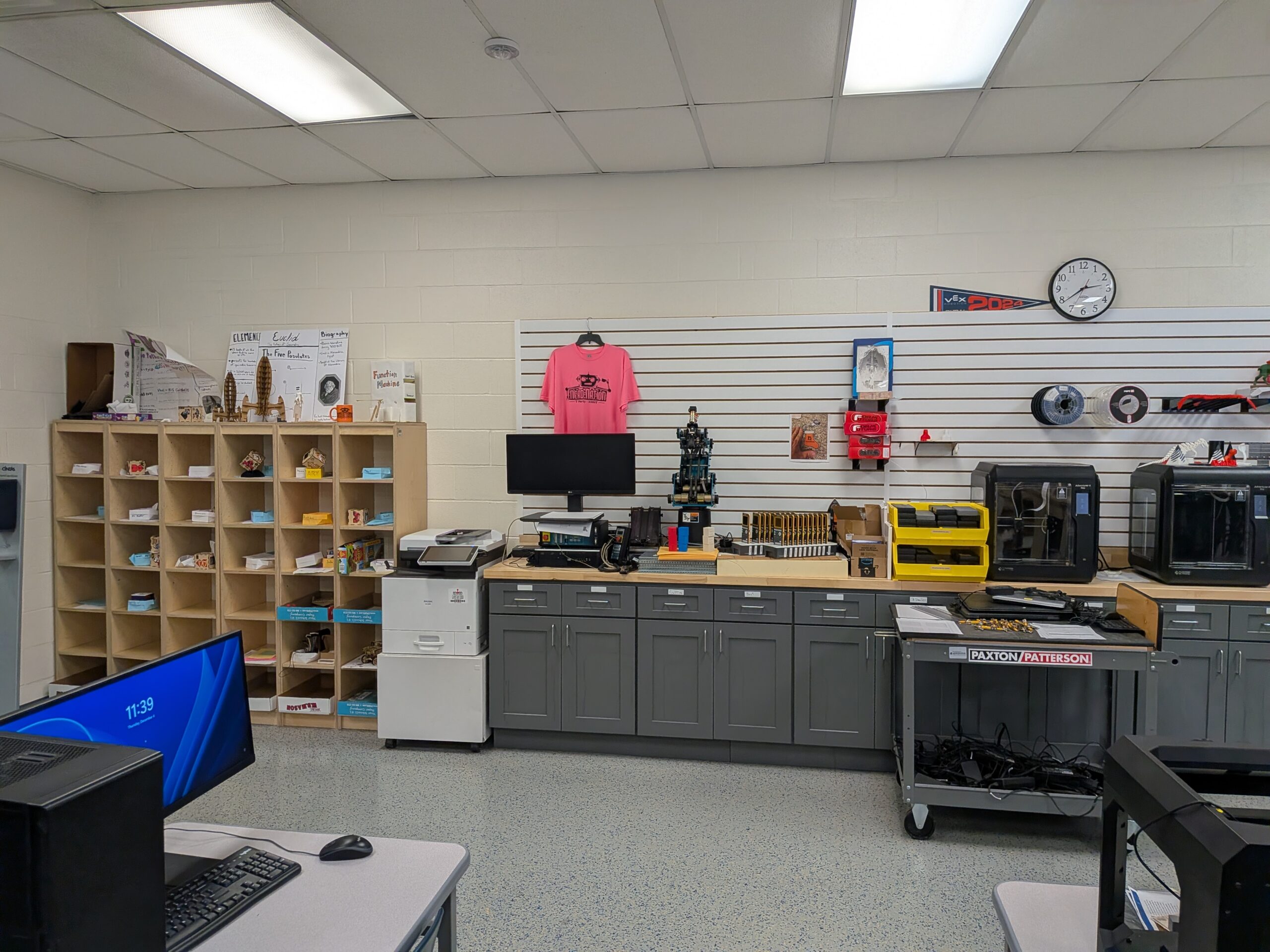
When we think of Controlling Cool Stuff in a 播放男人添女人下边视频, we mean physical computing. This is the umbrella term for programming, electronics, sensors, actuators and mechatronics . . . cool stuff controlled by a 巴西妓女丰满bbwbbw like an Arduino, micro:bit or Raspberry Pi.
The ‘stuff’ may be a robot on a mission, a string of colored LEDs that pulses to music, an egg drop accelerometer or a Rube Goldberg gadget that waves at you when you clap your hands. It could be a combination of all three! Kids love stuff that moves, makes noise and/or lights up. They gain self-confidence, courage to fail and job-ready skills when they joyfully persist long enough to figure stuff out because they think it’s cool!
In an article titled: The Brain Science Of Making published on the 说明文作文600字 Library Journal website in September 2018, they report on research that concludes that our brains think our hands are the most important part of our body. Furthermore, “Children involved in unstructured play, experimentation, and tinkering are practicing executive function skills.”
We think Controlling Cool Stuff (let’s start calling it CCS to make it sound even cooler than CS!) is a pathway to problem solving that every student, and every educator, will embrace. There is no better place to do that than in a 播放男人添女人下边视频! Schedule a consultation with 1st Maker Space to get the process started and give your students the ultimate edge.